
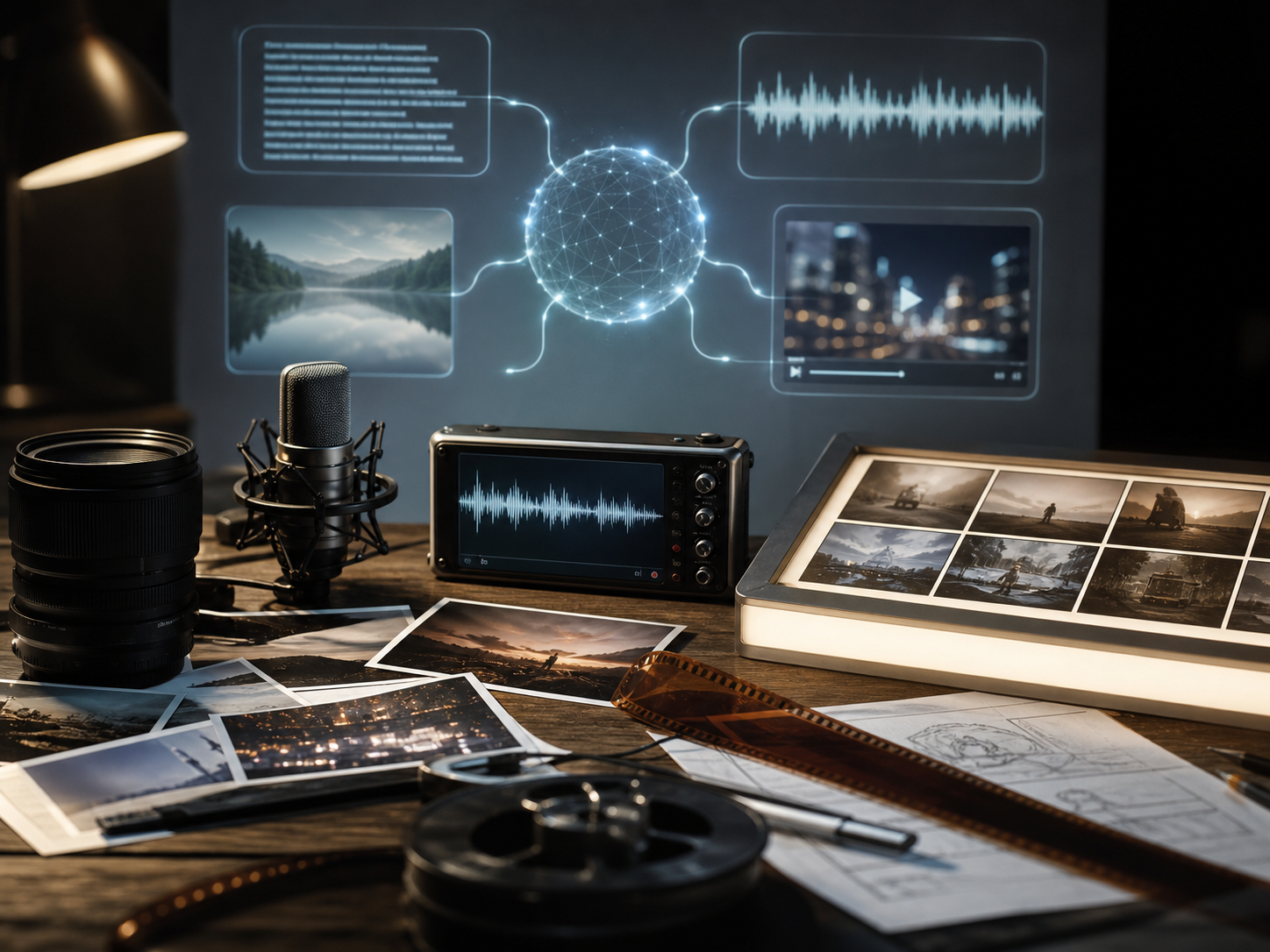
A useful AI trend article should avoid both panic and hype. The real story usually lives in the middle, where technical progress meets incentives, trust, regulation, and human behavior. Synthetic Media Is Growing Up: How AI Images, Video, and Voice Will Change Trust matters because digital media is becoming one of the places where AI will move from novelty into infrastructure.
The most interesting future technologies are not always the loudest ones. They are the ones that quietly change expectations. A feature that once felt experimental becomes normal, then invisible, then necessary. That is how many AI shifts will probably happen.
From Demo to Daily Use
Every AI trend has to pass through the same difficult doorway: real life. Real users bring incomplete instructions, budget limits, privacy concerns, old systems, legal constraints, and emotional expectations. A trend only becomes durable when it works under those conditions.
For digital media, the path from demo to daily use will depend on reliability, trust, cost, and workflow fit. The more sensitive the use case, the more important human review becomes.
Signals to Watch
Watch for three signals. First, the technology moves from specialist tools into everyday products. Second, users stop talking about the AI feature and simply expect the result. Third, businesses build processes around the capability instead of treating it like an experiment.
Another signal is the appearance of standards: safety checklists, privacy controls, audit trails, export formats, usage policies, training materials, and new job responsibilities. These are not glamorous, but they show that a technology is becoming operational rather than merely interesting.
Potential Benefits
The upside is easy to understand. AI can lower the cost of expertise, make digital tools easier to use, reduce repetitive work, improve accessibility, and help people explore complex information faster. In the best cases, it gives individuals and small teams capabilities that once required larger organizations.
There is also a creativity benefit. When people can test ideas faster, compare options, and get feedback earlier, they often become more willing to explore. The technology does not replace taste, judgment, or responsibility, but it can reduce the distance between idea and experiment.
Risks and Friction
Every trend has friction. AI systems can be wrong, biased, expensive, opaque, or too confident. They can create privacy risks when they need personal context. They can also shift power toward companies that control data, compute, distribution, or default interfaces.
The healthiest way to think about AI risk is not to reject every new tool. It is to ask where mistakes matter, who reviews the output, what data is involved, and whether users can understand or challenge the result. The more consequential the domain, the stronger those safeguards need to be.
The Human Role
The future depends on making creative use easier while making deception harder. This is the part many forecasts miss. Technology changes what people can do, but people still decide what is worth doing, what is acceptable, and what kind of future they want to reward.
In practical terms, the human role will include asking better questions, checking outputs, setting boundaries, interpreting context, and choosing when not to automate. These skills are less flashy than tool tutorials, but they become more important as the tools become more powerful.
How to Prepare
Start by building literacy rather than panic. Learn the vocabulary, test tools in low-risk settings, and notice which capabilities actually change your work. Keep a list of tasks that are repetitive, language-heavy, media-heavy, data-heavy, or difficult to explain. Those are the areas most likely to be touched by AI first.
For businesses, preparation also means policies. Decide what data can be used, which tools are approved, how AI outputs should be reviewed, and when disclosure is appropriate. For individuals, preparation means developing judgment: knowing when AI is useful, when it is uncertain, and when a human conversation is still the better interface.
What the Next Few Years Could Look Like
The next phase will probably feel uneven. Some AI features will become boringly useful. Others will disappoint after the initial excitement. Some industries will move quickly because the incentives are obvious, while others will slow down because trust, regulation, or physical constraints matter more than speed.
That unevenness is not a failure. It is how technology becomes real. The future rarely arrives as a single headline. It arrives through tools that save ten minutes, workflows that remove a handoff, assistants that remember context, and standards that make powerful systems safer to use.
Bottom Line
The best way to follow this trend is to stay curious and practical at the same time. Look for real behavior change, not just impressive demos. Ask who benefits, who takes the risk, and what must be true for the technology to become reliable.
If AI improves access, reduces friction, protects trust, and keeps humans involved where judgment matters, it can become a useful layer of future technology. If it hides uncertainty or removes accountability, the cost will show up later. The difference depends on design, incentives, and the choices people make now.