
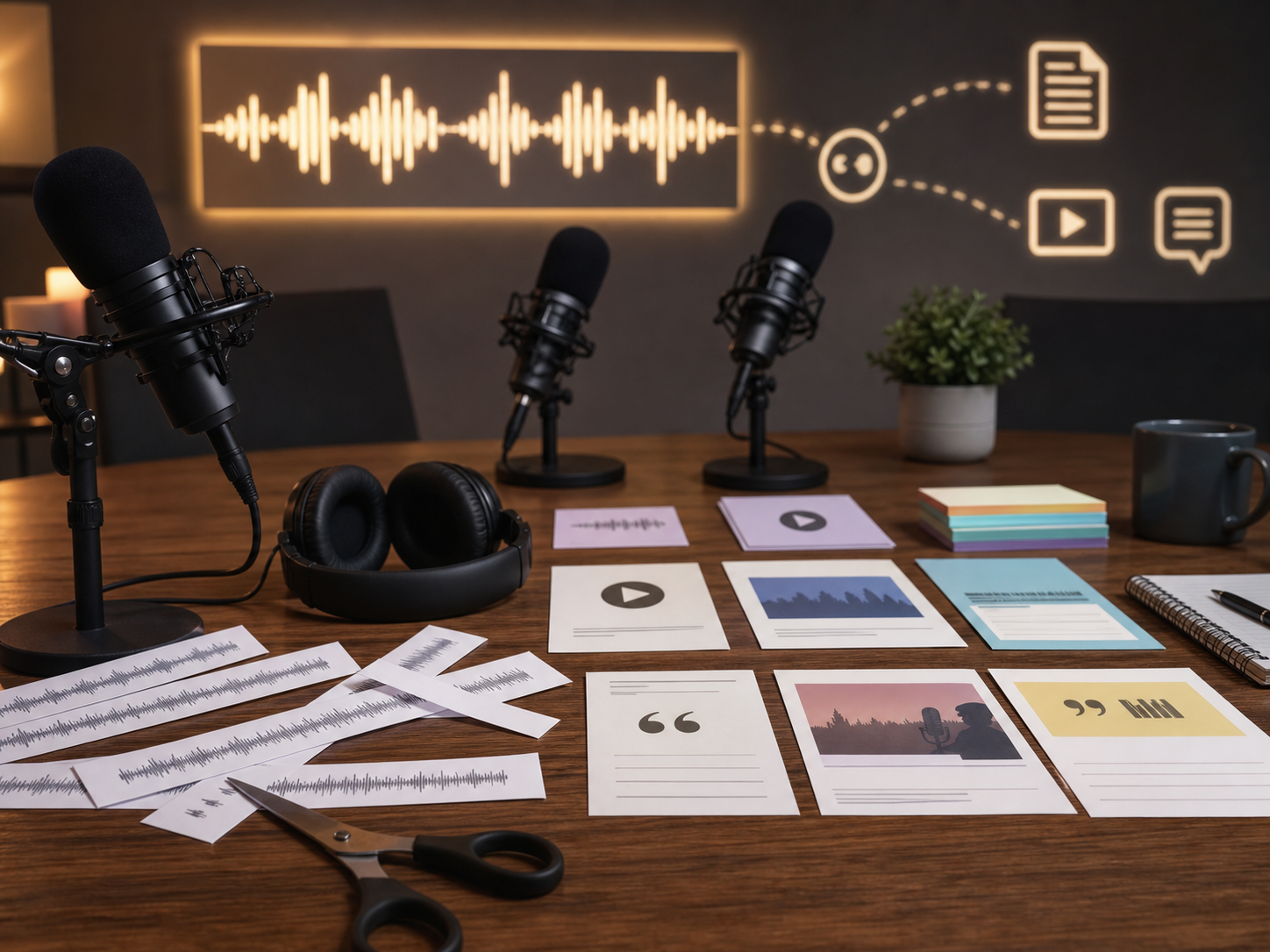
AI can make a blank page feel less intimidating, but it can also flatten a writer’s personality. The familiar warning signs are easy to spot: polished sentences that say little, identical paragraph rhythms, broad claims without lived detail, and conclusions that merely repeat the introduction. The solution is not to reject the tool. It is to give it a narrower job and keep the decisions that define the piece in human hands. A useful AI writing workflow should help you think, organize, and revise. It should not impersonate your experience or decide what you believe.
Begin with a point of view, not a prompt
Before opening an AI tool, write three sentences for yourself: what you believe, why it matters to this reader, and what you have seen that supports it. This tiny brief becomes the spine of the article. It prevents the model from choosing a generic angle simply because the topic is broad. Add the reader’s situation as well. A freelancer trying to publish a weekly newsletter needs different advice from a marketing team producing twenty landing pages. When the audience, tension, and desired outcome are specific, the generated material becomes easier to judge. You are no longer asking, “Is this good writing?” You are asking, “Does this serve the argument I chose?”
Give AI small, visible assignments
Ask for components rather than a finished article. Useful assignments include generating counterarguments, grouping research notes, proposing five openings with different emotional temperatures, or identifying places where a beginner may become confused. Working in small units lets you see what the tool contributed and makes weak reasoning easier to remove. It also reduces the temptation to accept a smooth draft simply because rewriting it feels expensive. A good rule is to avoid prompts that begin with “Write the complete article.” Instead, move through a sequence: explore, outline, draft selected passages, interrogate, and edit. The slower-looking process usually saves time because the final draft needs less rescue work.
Add material the model cannot invent
Human voice is carried by selection. Include the awkward customer question that changed your explanation, the shortcut that failed, the comparison you use when teaching a colleague, or the small detail you noticed while doing the work. These are not decorative anecdotes; they are evidence of attention. Mark places in the outline where an original example, screenshot, calculation, quote, or observation must appear. If you do not have support for a claim, narrow it or remove it. Never ask a model to manufacture personal experience. Readers may not identify the exact sentence that is false, but unsupported confidence creates a tone that feels strangely weightless.
Edit for rhythm and friction
AI drafts often move too smoothly. Every paragraph announces its purpose, explains it, and closes with a miniature summary. Real editorial writing has more variation. Read the draft aloud and listen for repeated sentence lengths, excessive transitions, and lists of three that appear on every screen. Break one long paragraph into a sharp question and answer. Combine two short sections when the headings interrupt the thought. Replace abstract nouns with verbs. Keep a surprising sentence if it earns its place, even when it is less tidy. Voice emerges from these local choices: what you emphasize, where you pause, and which edge you refuse to sand away.
Use a final human-only pass
Once the structure works, close the AI tool and edit without suggestions. Check every factual claim, link, name, and number. Ask whether the introduction makes a promise the body actually keeps. Remove phrases you would never say in conversation. Then inspect the ending: it should help the reader choose a next action rather than praise the importance of the topic. A final independent pass restores authorship because you are evaluating the page as a whole, not reacting to one generated sentence at a time. If the piece could be published under anyone’s name, it still needs a stronger opinion, a more precise example, or a clearer boundary.
Make the method your own
Run the workflow on a small, real assignment and keep a short decision log. Record the starting problem, the instruction you gave the tool, what the first result missed, and why you accepted the final version. This takes only a few minutes, but it separates repeatable learning from accidental success. After three projects, review the notes for patterns. You may discover that better source material matters more than longer prompts, or that a particular review step catches most quality problems. Keep the useful pattern and remove the ceremony. A personal workflow should become simpler as your judgment improves.
Small experiment: Apply one idea from this guide within the next seven days. Keep the scope narrow enough to finish, compare the result with your previous approach, and write down one change you would make next time. Note what surprised you and which assumption proved wrong. Share the test with one trusted reader if the context allows. Practical evidence is a better teacher than an endlessly refined plan, and a completed test gives your next creative decision a firmer foundation.
A quick review before you move on
- Can the audience understand the purpose without extra explanation?
- Are examples and claims specific enough to verify?
- Did a human make the final creative and editorial decisions?
Final takeaway
The best use of AI in writing is not invisible automation; it is visible leverage. Let the tool expand options, expose gaps, and handle low-risk transformations. Keep the premise, evidence, taste, and accountability for yourself. That division of labor produces work that is faster without becoming anonymous. More importantly, it gives readers something worth staying for: a real person making a useful judgment.